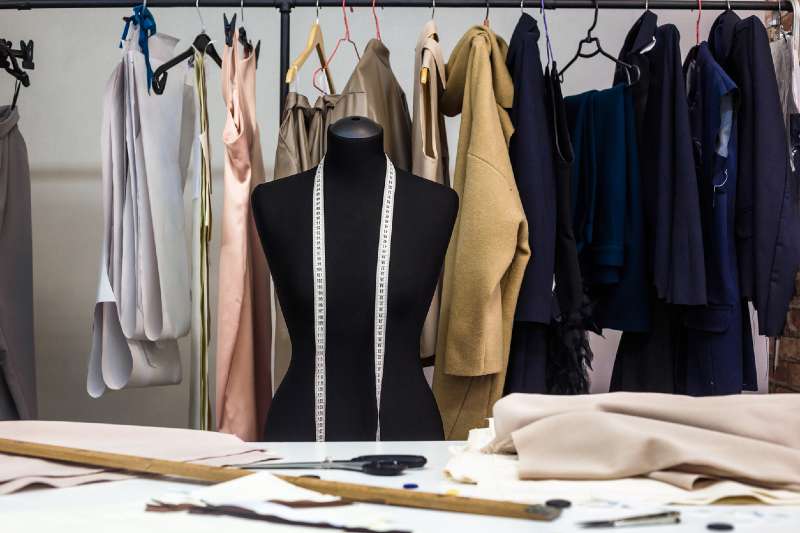
As a freelance fashion stylist working in London’s competitive creative industry, knowing how to track business expenses properly can make the difference between a hefty tax bill and claiming back what you’re rightfully owed. Whether you’re styling editorial shoots in Shoreditch or dressing clients for red carpet events, every receipt counts when it comes to reducing your tax liability and keeping your finances organised.
Many fashion stylists struggle with the administrative side of their business, particularly when it comes to bookkeeping. You might be brilliant at curating the perfect wardrobe for a photoshoot, but tracking expenses, receipts, and allowable deductions can feel overwhelming. That’s where having a solid system in place becomes essential.
Why Proper Expense Tracking Matters for Fashion Stylists
HMRC takes expense claims seriously, and as a self-employed creative professional, you need to demonstrate that every expense you claim is legitimate, wholly and exclusively for business purposes. Proper expense tracking not only helps you maximise your tax deductions but also protects you during an HMRC enquiry. More importantly, understanding your outgoings helps you price your services accurately and maintain healthy cash flow throughout the year.
The fashion industry operates on seasonal patterns, with busy periods around Fashion Week and quieter months in between. Tracking your expenses throughout the year gives you a realistic picture of your business finances, helping you plan for those inevitable lean periods.
What Expenses Can Fashion Stylists Claim?
Before diving into tracking methods, it’s important to understand which expenses are allowable. As a freelance fashion stylist, you can typically claim:
Clothing and accessories purchased specifically for styling work (not for personal wear), transport costs including mileage to shoots and client meetings, professional subscriptions to fashion publications and industry bodies, marketing expenses such as portfolio website hosting and business cards, equipment costs including garment racks, steamers, and photography equipment, home office expenses if you work from home, and professional development such as styling courses and industry events.
Remember, you cannot claim for everyday clothing you wear yourself, even if you work in fashion. HMRC draws a clear line between personal and business expenses.
The Best Methods to Track Your Expenses
1. Go Digital with Accounting Software
Cloud-based accounting software like Xero, QuickBooks, or FreeAgent transforms expense tracking for freelance stylists. These platforms allow you to photograph receipts on your phone immediately after purchase, categorise expenses on the go, and automatically calculate your tax liability. Many integrate with your bank account, pulling transactions through automatically and flagging items that need categorisation.
For fashion stylists juggling multiple clients and projects, the ability to tag expenses to specific jobs is invaluable when reviewing profitability. Digital solutions also prepare you for Making Tax Digital requirements, which now affect most self-employed individuals.
2. Create a Dedicated Business Bank Account
Separating personal and business finances is fundamental to accurate bookkeeping. A dedicated business account makes it immediately clear which transactions are business-related, simplifying your record-keeping considerably. When everything from fabric purchases to Uber rides to photoshoots runs through one account, reconciliation becomes straightforward.
Many banks now offer business accounts specifically designed for freelancers and sole traders, often with lower fees than traditional business accounts.
3. Implement a Receipt Management System
Lost receipts mean lost tax deductions. Develop a habit of capturing receipts immediately, whether that’s photographing them, storing physical copies in a dedicated folder, or using a receipt-scanning app. For fashion stylists who might purchase items from multiple boutiques in one day, this discipline is particularly important.
Cloud storage solutions like Dropbox or Google Drive work well for organising digital receipts by month or project. The key is consistency – choose a system and stick to it religiously.
4. Track Mileage Diligently
If you drive to photoshoots, client meetings, or sourcing trips around London and beyond, your mileage can add up to a significant deduction. HMRC allows 45p per mile for the first 10,000 business miles. Use a mileage tracking app or maintain a simple spreadsheet recording the date, destination, purpose, and miles travelled for every business journey.
Public transport costs are equally important – keep your Oyster card statements and receipts for taxi or Uber journeys to and from business locations.
Monthly Reconciliation: Your Secret Weapon
Setting aside an hour each month to reconcile your accounts prevents year-end panic and keeps you on top of your financial position. Review your bank statements against your expense records, ensuring everything is captured and correctly categorised. This monthly discipline also helps you spot any unusual spending patterns or identify areas where you might reduce costs.
Regular reconciliation makes preparing your Self Assessment tax return considerably easier, and your accountant will thank you for providing organised records rather than a carrier bag full of receipts in January.
Common Expense Tracking Mistakes to Avoid
Many fashion stylists inadvertently make mistakes that could trigger HMRC scrutiny. Avoid claiming personal expenses as business costs, failing to keep receipts for cash purchases, mixing personal and business transactions in one account, or forgetting to track small expenses that accumulate over time.
HMRC can request receipts for expenses dating back six years, so maintaining comprehensive records isn’t optional – it’s essential protection for your business.
How Green & Peter Can Help Fashion Stylists Track Business Expenses
At Green & Peter, we specialise in supporting creative professionals across North London and beyond. We understand the unique challenges fashion stylists face, from irregular income to industry-specific expenses. Our team can help you establish efficient bookkeeping systems, maximise your allowable deductions, and ensure you’re fully compliant with HMRC requirements.
We take the stress out of financial administration, allowing you to focus on what you do best – creating stunning looks for your clients.
FAQs
Can I claim for clothing I purchase for styling jobs?
Yes, but only if the items are purchased exclusively for client styling work and not for your personal wardrobe. Keep detailed records of which items were purchased for which jobs, and retain them separately from your personal clothing. You cannot claim for everyday clothes you wear yourself, even if you work in fashion.
How long should I keep receipts for business expenses?
HMRC requires you to keep business records for at least five years after the 31 January submission deadline of the relevant tax year. For practical purposes, this means keeping receipts for six years. Digital copies are acceptable, provided they’re clear and legible.
What if I've lost some receipts but know I made business purchases?
Without receipts, you cannot formally claim expenses if HMRC requests evidence. However, bank statements can provide supporting evidence for some claims. Going forward, photograph every receipt immediately after purchase to avoid this situation. For very small expenses under £10, HMRC may accept reasonable estimates, but this shouldn’t be relied upon regularly.
Should I use the flat rate or actual expenses for my home office?
If you work from home regularly, you can claim either a flat rate (£6 per week for 25+ hours of home working) or calculate actual costs based on the proportion of your home used for business. Actual costs often result in higher deductions but require more detailed record-keeping. An accountant can help you determine which method maximises your tax relief.
Get Expert Bookkeeping Support for Your Fashion Styling Business
Tracking business expenses doesn’t have to be a nightmare. At Green & Peter, we’ve helped countless freelance fashion stylists in London streamline their bookkeeping, maximise their tax deductions, and stay compliant with HMRC requirements.
Based in Whetstone, North London, we’re Chartered Accountants who genuinely understand the creative industries. We know that managing accounts isn’t why you became a fashion stylist – but it’s essential to your business success.
Ready to take control of your business finances? Contact Green & Peter today for a no-obligation conversation about how we can support your freelance fashion styling business. Call us on 020 8446 8100 or email info@greenandpeter.co.uk.
Let us handle the numbers whilst you focus on styling success.