Key Takeaways:
- You can charge 12%* annual interest on late payments (Bank of England base rate 4% + 8%)* Correct as of 16/10/2025
- Claim fixed compensation of £40-£100 per late invoice
- Check clients against the Fair Payment Code database before accepting work
- You have 6 years to claim statutory interest on unpaid invoices
- 38 businesses close daily due to late payments – don’t become a statistic
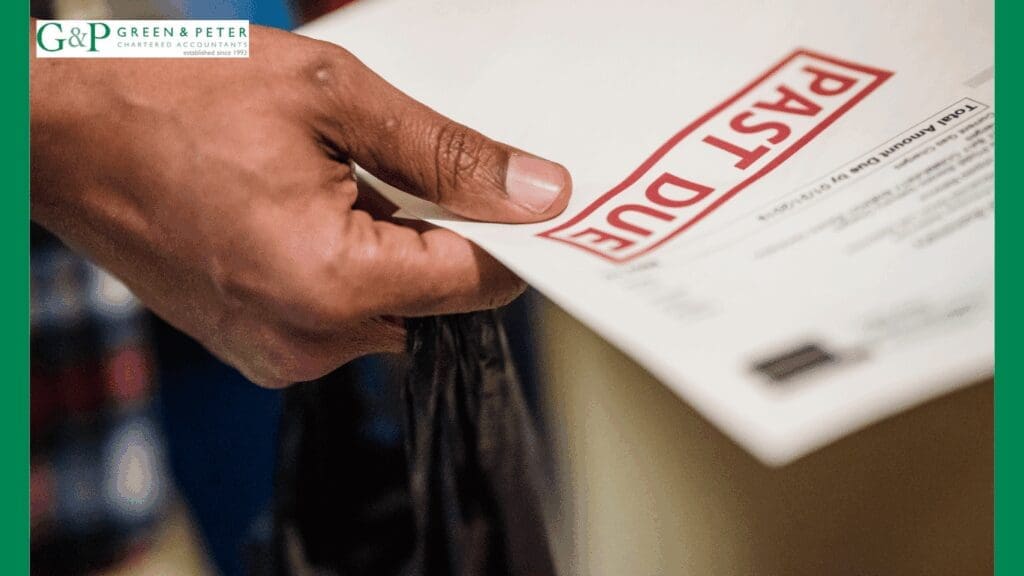
Late payment legislation in the UK gives you powerful legal rights to charge interest and claim compensation when clients pay late. If you’re a creative professional in London or across the UK tired of waiting weeks or months for payment, understanding these protections could save you thousands of pounds and hours of stress each year.
Recent research from the Office of the Small Business Commissioner (July 2025) shows that businesses spend an average of 86 hours per year chasing late payments, and 38 businesses go out of business every day because of overdue invoices. The good news is that UK late payment legislation exists specifically to protect small businesses like yours, and recent changes mean you have more power than ever to tackle this problem.
Understanding Your Rights Under Late Payment Legislation
The late payment legislation framework in the UK centres on the Late Payment of Commercial Debts (Interest) Act 1998, which gives you the legal right to charge interest and compensation on overdue business-to-business invoices. This applies to all your creative work, whether you’re a photographer, designer, musician, or filmmaker working with other businesses.
The statutory interest rate is Bank of England base rate plus 8%, which currently (as of 16 October 2025) works out at 12% (with the base rate at 4%). This is significantly higher than most contractual interest rates and provides a strong deterrent against late payment.
What You Can Claim Under Late Payment Legislation
When a client pays late, late payment legislation entitles you to:
Statutory interest: Interest accrues daily from the date payment was due until it’s paid in full, calculated at 8% above the Bank of England base rate.
Fixed compensation: You can add £40 for debts under £1,000, £70 for debts between £1,000-£9,999, or £100 for debts of £10,000 or more.
Reasonable recovery costs: Any debt recovery costs you incur can also be recovered, including credit control services.
You can apply these charges to each individual invoice that’s overdue, not just your total outstanding balance with a client.
Real Example: Late Payment Interest in Action
Scenario: A London-based photographer invoiced £2,500 for a corporate shoot with 30-day payment terms. The client paid 60 days late.
What they could claim:
- Fixed compensation: £70
- Statutory interest: £82 (12% × £2,500 × 60 days ÷ 365)
- Total additional payment: £152
Using a late payment interest calculator helps you work out exactly what you’re owed.
The New Fair Payment Code: What Creatives Need to Know
In December 2024, the Fair Payment Code replaced the previous Prompt Payment Code, introducing a tiered system of Gold, Silver, and Bronze awards to recognise businesses that pay suppliers promptly.
Gold Award holders pay at least 95% of all invoices within 30 days. Silver Award holders pay at least 95% of all invoices within 60 days, including at least 95% of invoices to small businesses within 30 days. Bronze Award holders pay at least 95% of all invoices within 60 days.
Why This Matters for Creative Professionals
Before accepting work from a new client, you can check whether they hold a Fair Payment Code award on the Small Business Commissioner website. This gives you valuable insight into their payment culture before you commit your time and talent. If a potential client doesn’t hold an award or has a Bronze rating, consider negotiating shorter payment terms or requesting a deposit upfront to protect your cash flow.
Need Help Now? If you’re currently struggling with payment disputes or overdue invoices, understanding your rights under late payment legislation is your first step to recovery. Call us on 0208 446 8100 or complete our contact form to help you implement effective credit control systems.
Practical Steps to Get Paid Faster
Set clear payment terms upfront: If you don’t specify payment terms in your commercial contracts, the law provides a default period of 30 days after the invoice date or when goods or services were supplied, whichever is later. Make your invoice payment terms explicit from the start.
Invoice promptly: Don’t delay sending your invoice. The sooner it’s submitted, the sooner payment becomes due and the sooner you can start charging interest if it’s late.
Know when to charge interest: Interest starts accruing automatically from the day after payment was due. You don’t need to warn clients in advance, though informing them can encourage faster payment.
Keep accurate records: Document everything – when work was delivered, when invoices were sent, and all communication about payment. This protects you if disputes arise. Understanding which business expenses are tax-deductible will help you accurately track your costs, including any debt recovery expenses.
Enforcing Late Payment Legislation: What’s Coming Next
The government is currently consulting on even tougher measures to tackle late payments. Proposals include making statutory interest mandatory, introducing a 30-day limit for disputing invoices, and giving the Small Business Commissioner powers to impose financial penalties on persistent late payers.
The Office of the Small Business Commissioner is also exploring how digital technology and AI can help small businesses get paid faster, including automated invoice chasing systems and improved arbitration services.
Taking Action on Late Payments
With businesses owed an estimated £26 billion in late payments at any given time, averaging £17,000 per affected business, this isn’t a small problem. Late payments are a major contributor to the cash flow challenges many freelancers and creative professionals face. As a creative professional, your time and talent are valuable. You shouldn’t have to spend hours chasing payments that are rightfully yours.
Understanding your rights under late payment legislation and using tools like the Fair Payment Code to vet clients can transform your cash flow. These aren’t just bureaucratic rules – they’re practical protections designed to help small businesses like yours thrive.
If you’re currently struggling with late payments or want to set up your invoicing and contracts to protect yourself better, it’s worth getting professional advice. Working with an accountant who understands the creative industries means you’ll get support that’s tailored to the unique challenges you face. The right accountant can help you implement systems that minimise late payment problems before they start, including credit control services and automated invoice chasing.
Frequently Asked Questions About Late Payment Legislation
Can I charge interest on every late invoice separately? Yes. The Late Payment Act allows you to charge statutory interest and fixed compensation on each individual invoice that’s overdue, not just your overall account balance. This applies to all commercial debt between UK businesses.
Do I need to warn clients I’ll charge interest before I do it? No – interest accrues automatically from the day after payment was due under late payment legislation. However, many businesses include late payment terms in their invoices as standard practice to encourage prompt payment. If you need help managing your invoicing and self-assessment tax obligations, consider working with an accountant who can set up systems to track both.
What if my contract already includes late payment terms? Your contractual terms will only apply if they provide a “substantial remedy” for late payment. The statutory provisions under the Late Payment Act are often more beneficial to suppliers, so it’s worth comparing what you could claim under each option.
How long do I have to claim statutory interest on a late payment? You have six years from the date the debt became due to make a claim for statutory interest in England, Wales, and Northern Ireland, as set out in Section 5 of the Limitation Act 1980.
Can public sector clients contract for longer payment terms? No. Public authorities must pay undisputed invoices within 30 days and cannot agree to longer payment terms under late payment legislation, providing stronger protection when working with government bodies.
How do I calculate late payment interest on my invoices? Use this formula: (Debt amount × (8%+ base rate) ÷ 365 × number of days late = interest owed. You can also use an online late payment interest calculator to work out exactly what you’re entitled to claim.
What should I do if a client disputes my invoice to avoid paying? Under proposed 2025 reforms currently under consultation, clients will have just 30 days to raise a dispute after receiving an invoice. If they miss this deadline, they must pay the invoice in full and will be liable for statutory interest if payment is then late. The government is expected to publish its consultation response by early 2026. Document all communications carefully and seek professional advice if payment disputes arise.
About Green & Peter
Green & Peter Accountants, based in Whetstone, North London, specialise in working with creative professionals including photographers, musicians, actors, designers, and other artists across London and the UK. We understand the unique financial challenges faced by creatives, from irregular income patterns to the frustration of late payments. Our friendly, straightforward approach means we explain complex financial matters in plain English, helping you protect your cash flow and grow your creative business. We provide comprehensive support including credit control services, debt recovery assistance, and guidance on implementing late payment legislation effectively. Call us on 020 8446 8100 or contact us online to discuss how we can support your creative business.